
Define the business goals and training needs your LMS must support
7 Steps to Selecting the Right LMS
Choose an LMS with greater confidence by aligning business goals, stakeholder needs, requirements, and vendor evaluation criteria before making a decision.
Use this guide to structure your LMS selection process from defining objectives and gathering requirements through prioritization, vendor shortlisting, demos, scoring, and reference checks.

What you will be able to do after Reading
Build a More Confident LMS Selection Process
Use the guide to create a structured evaluation process that keeps business goals, stakeholder needs, and long-term requirements at the center of the decision.
Turn Stakeholder Needs Into Clear Requirements
Gather input from HR, IT, compliance, operations, training teams, and other stakeholders, then translate those needs into functional, technical, and operational requirements.
Evaluate Vendors Consistently
Prioritize requirements, narrow the field, use structured demos and scoring criteria, and speak with customer references before making the final selection.
Define What Your Organization Really Needs
Start with business goals, learner populations, compliance needs, delivery methods, workforce strategy, and long-term objectives before comparing LMS features.
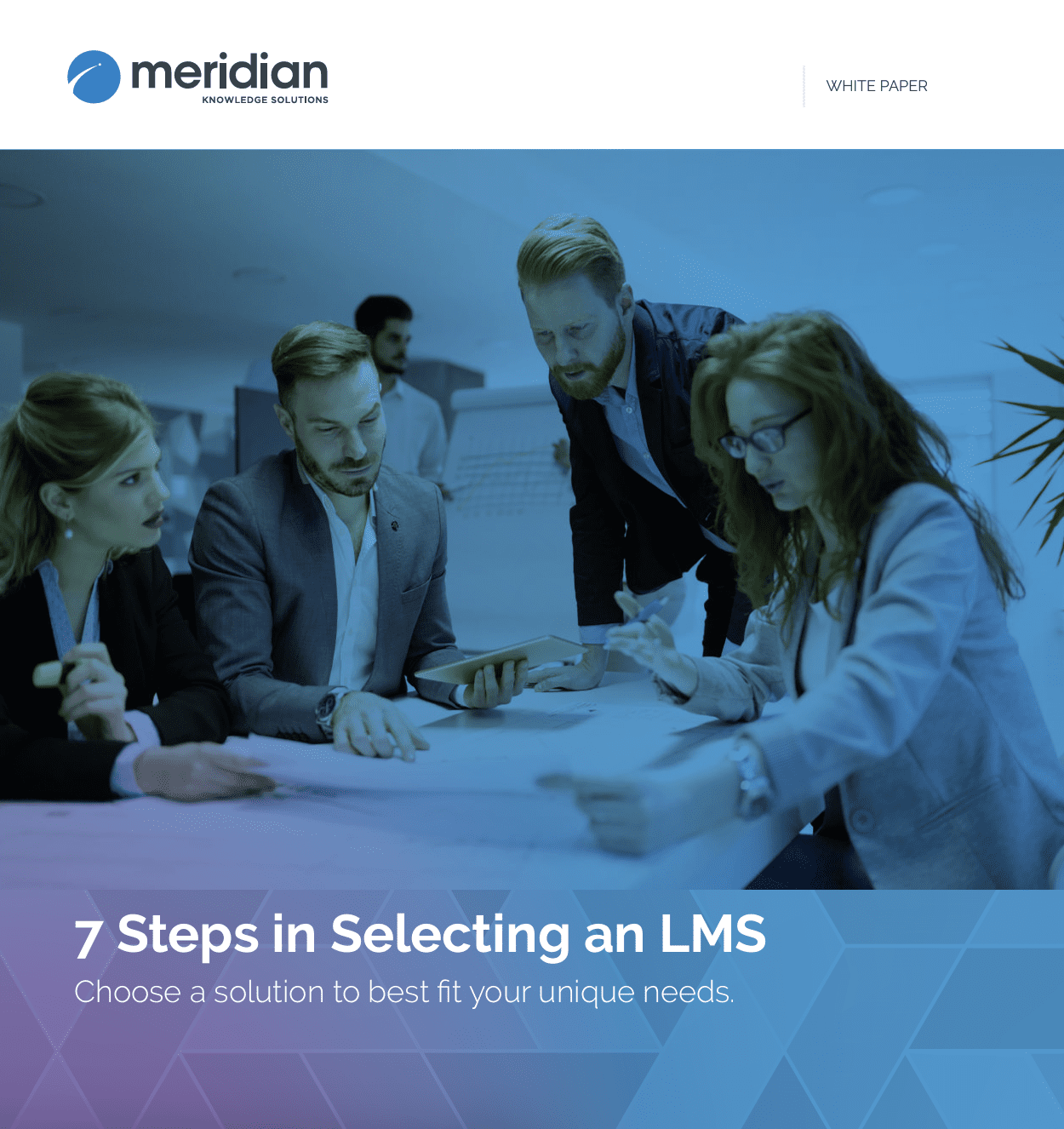
Look inside
Look Inside The Resource
Download this resource to learn how to:
Build a cross-functional LMS selection team
Document current processes, pain points, and future requirements
Organize requirements into functional, technical, and operational categories
Prioritize must-have requirements before comparing vendors
Use RFPs, demos, scoring criteria, and references to evaluate LMS providers
Why Trust This Resource
The Best LMS Is the One That Fits Your Organization
Every LMS can deliver, track, and report on training to some degree, but platforms vary widely in functionality, workflows, integrations, deployment options, and ability to support complex organizational requirements.
That is why LMS selection should start with your own goals, processes, stakeholders, and requirements rather than a vendor feature list. The guide helps teams define what truly matters, prioritize it, and evaluate vendors against a consistent set of criteria.
A structured selection process also helps organizations consider long-term needs instead of choosing a system that only solves today’s immediate problems.

Trusted By Federal, State & Local Governments, and Commercial Organizations






Use Cases
Who This Resource Is For
Learning & Development Leaders
LMS and Training Administrators
HR and Talent Leaders
IT and Compliance Stakeholders
Ready to Elevate Your Learning Program?
Book a demo today and experience the Meridian LMS difference.